
PROJECT TYPE:
CLASS, INDIVIDUAL
AFFILIATION:
UPENN
TIMEFRAME:
2025. 13 WEEKS.
SKILLS:
User Interviews, Design Research, CAD, Rendering,
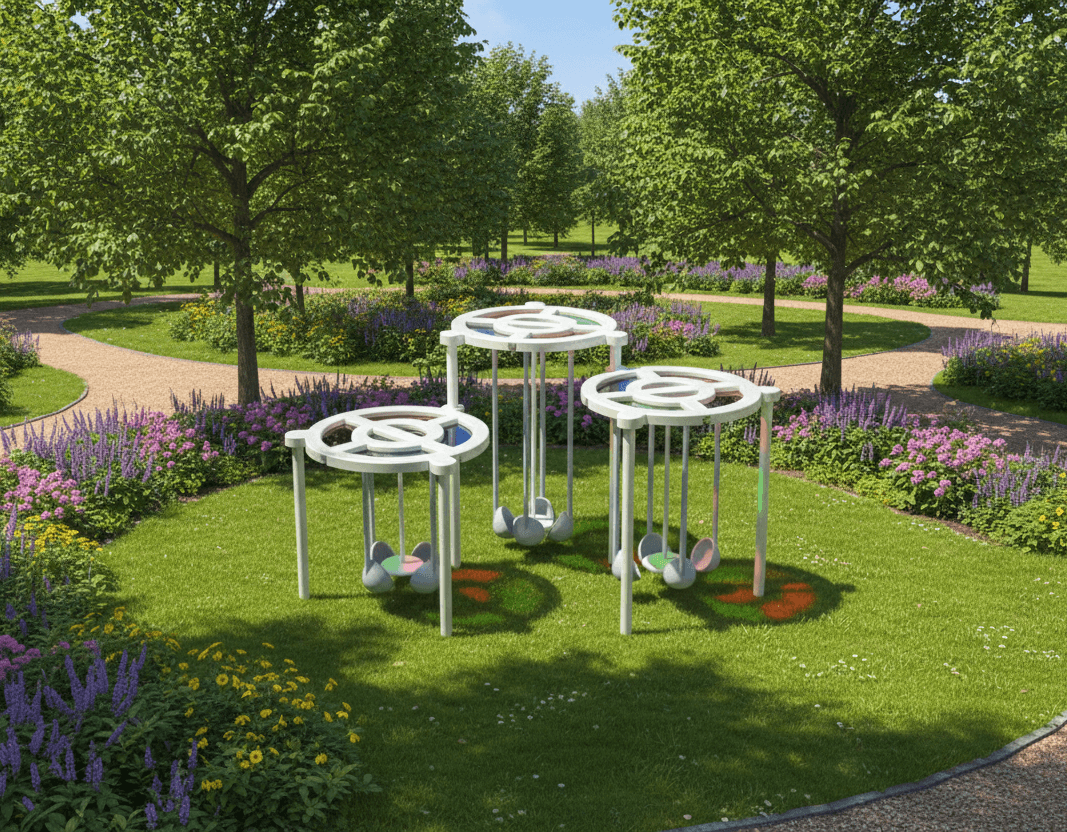
Circles
CONTEXT
How can outdoor environments become a third space for young adults? How can college campuses incorporate youth and play into the spaces made available to students?
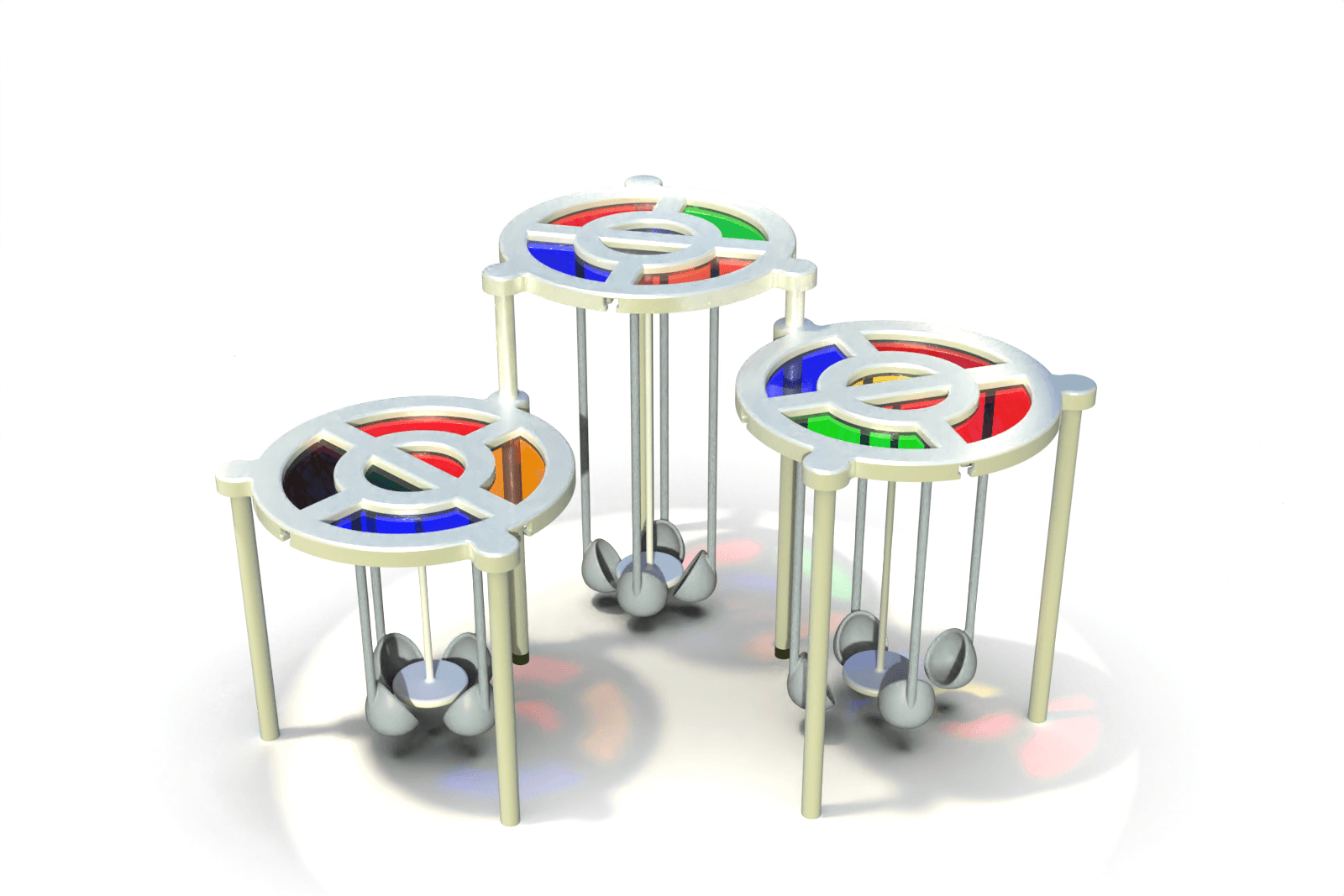
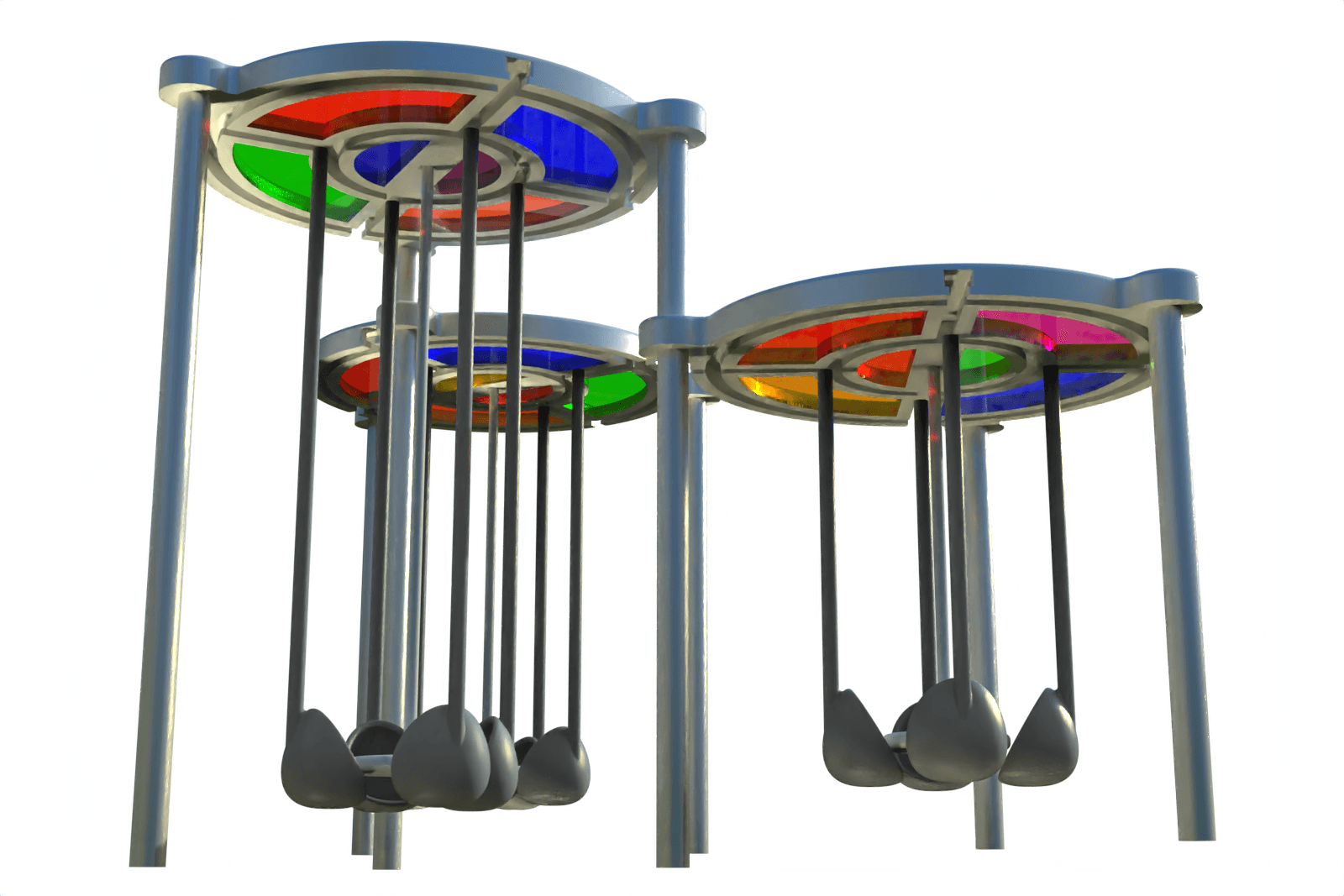
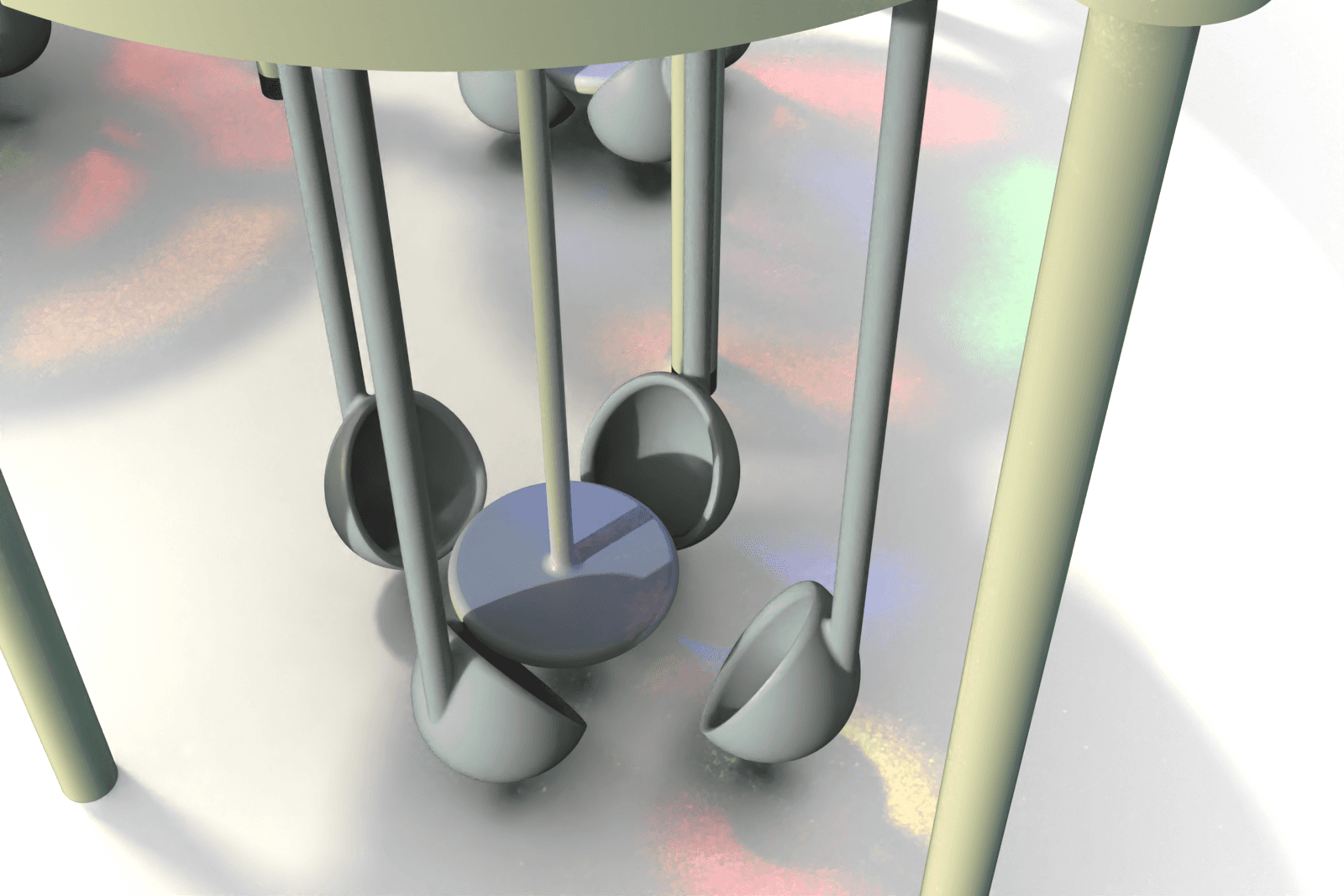
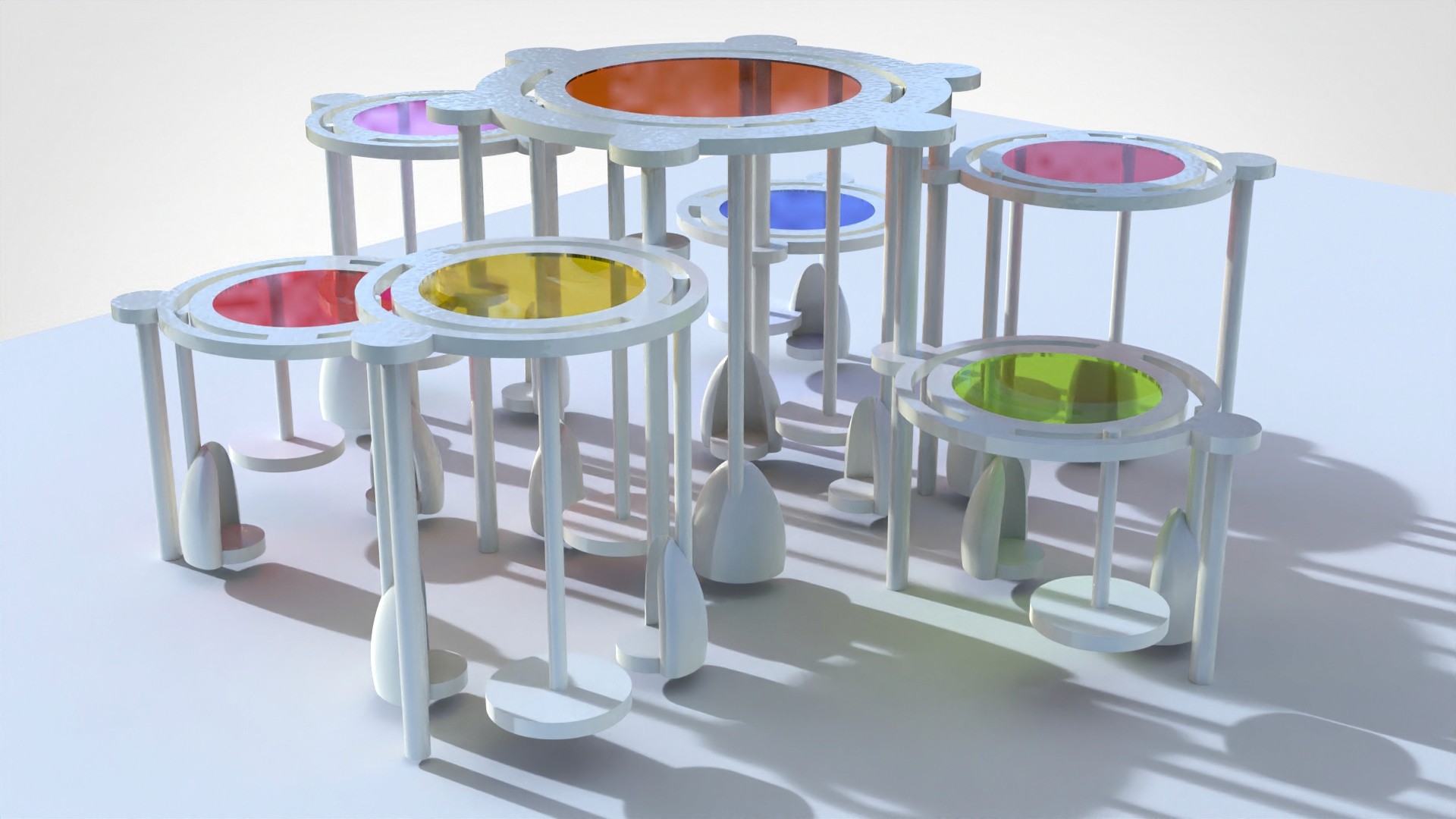
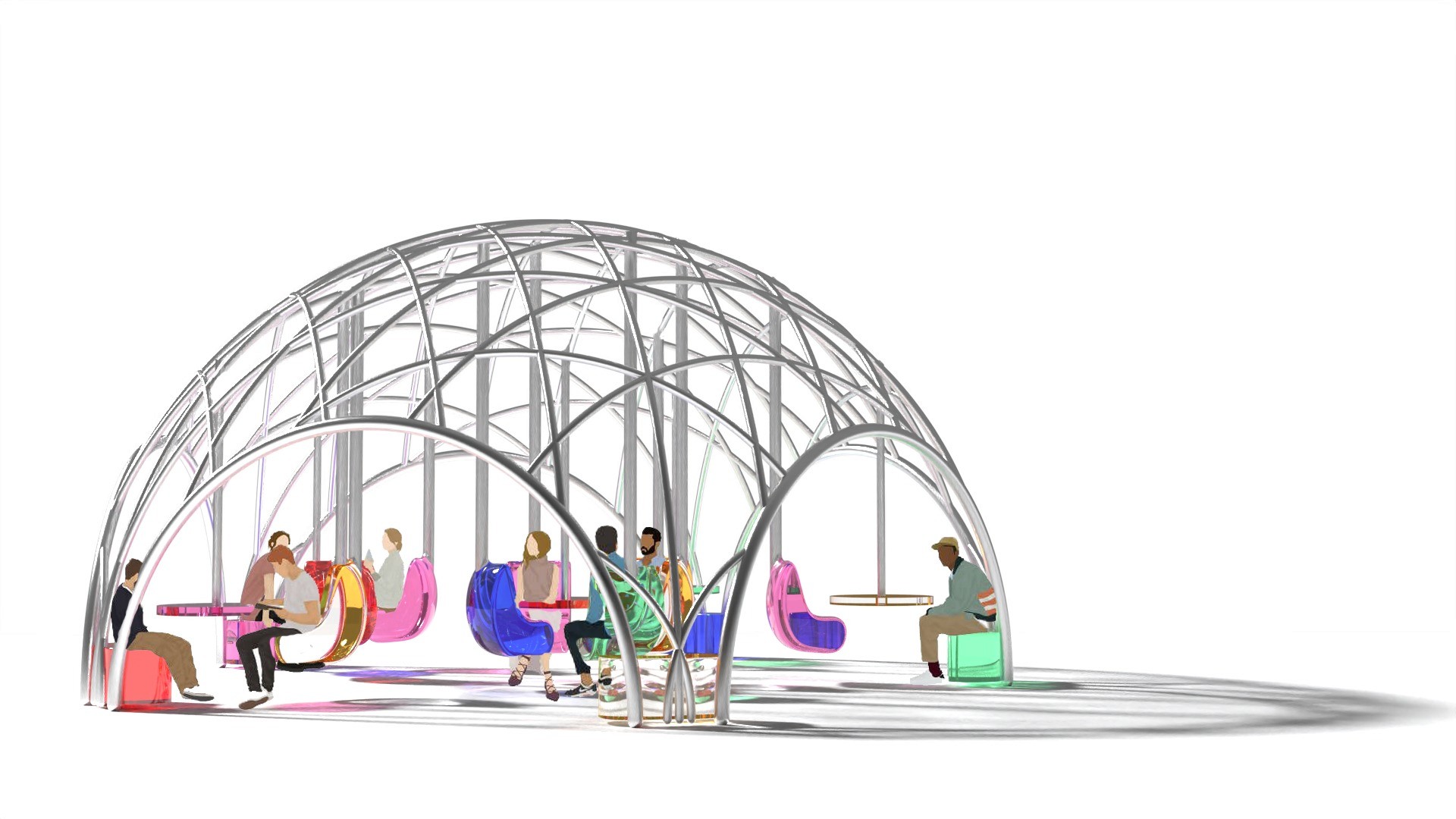
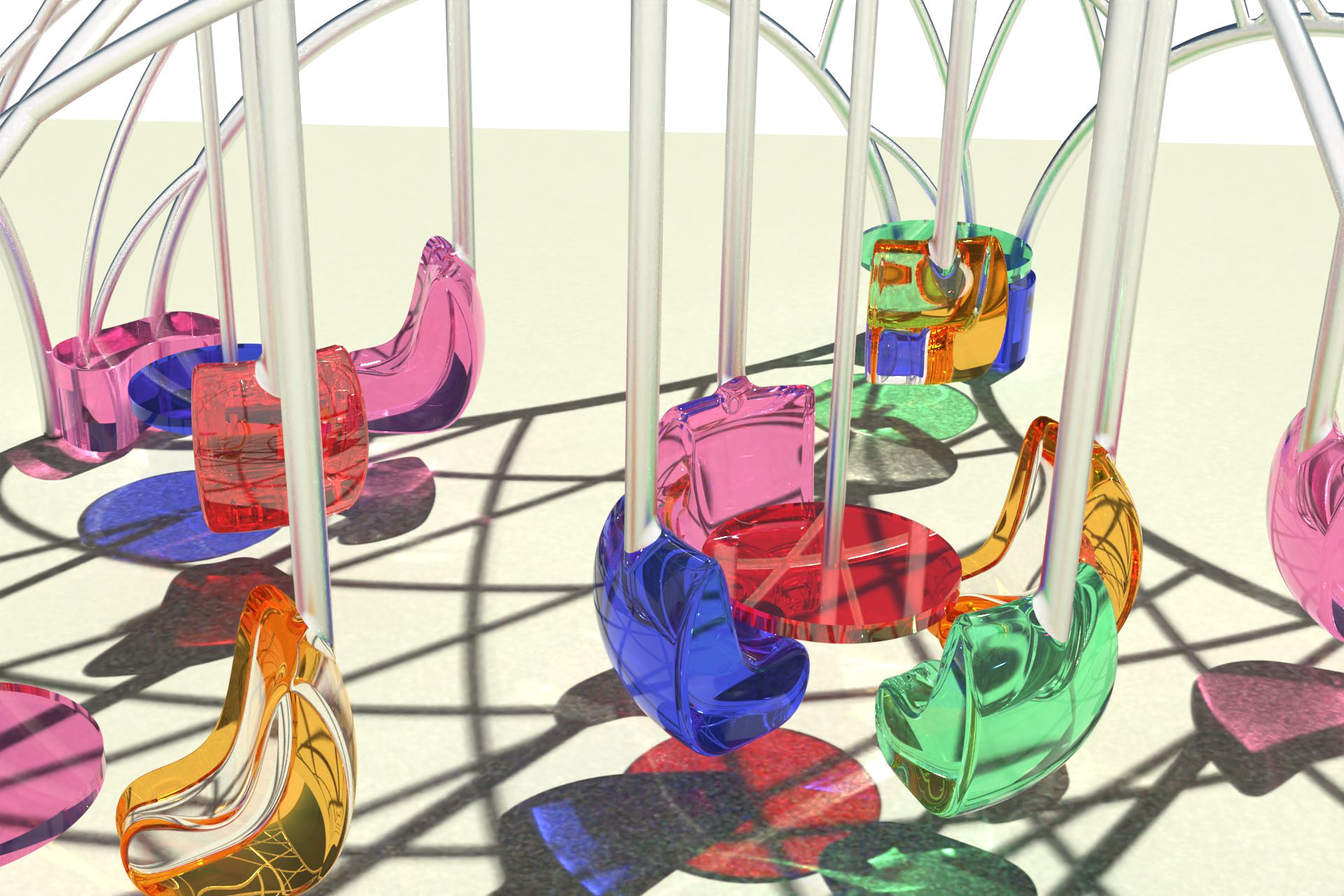
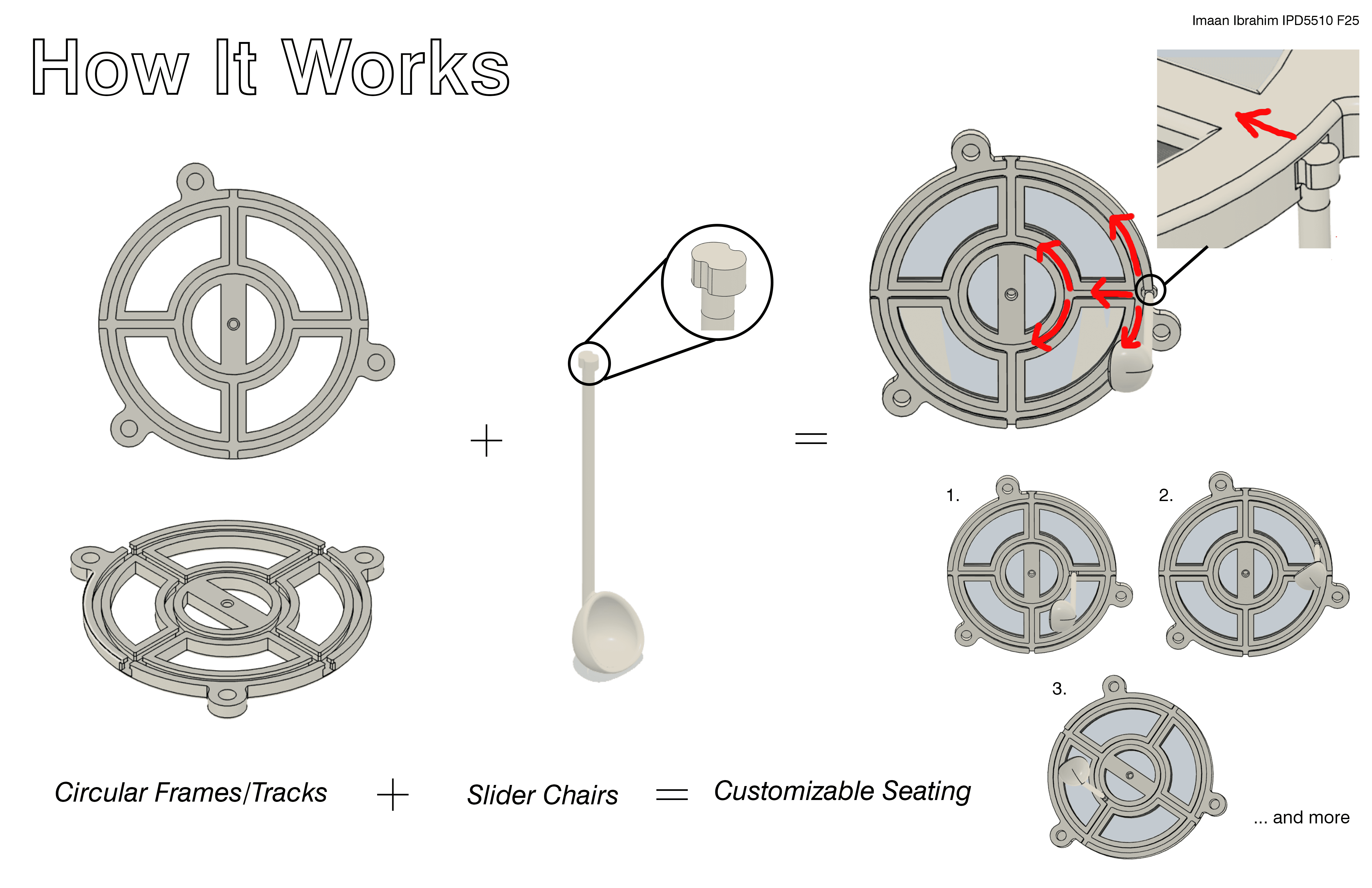
Circles is an outdoor seating structure for college campuses that allows for different seating arrangements and emphasizes play using a sliding mechanism that the chairs can be moved along.
The faux stained glass projects colorful shadows that invite users in. Once within Circles, they find a community space that fosters a variety of experiences and interactions.
PROCESS
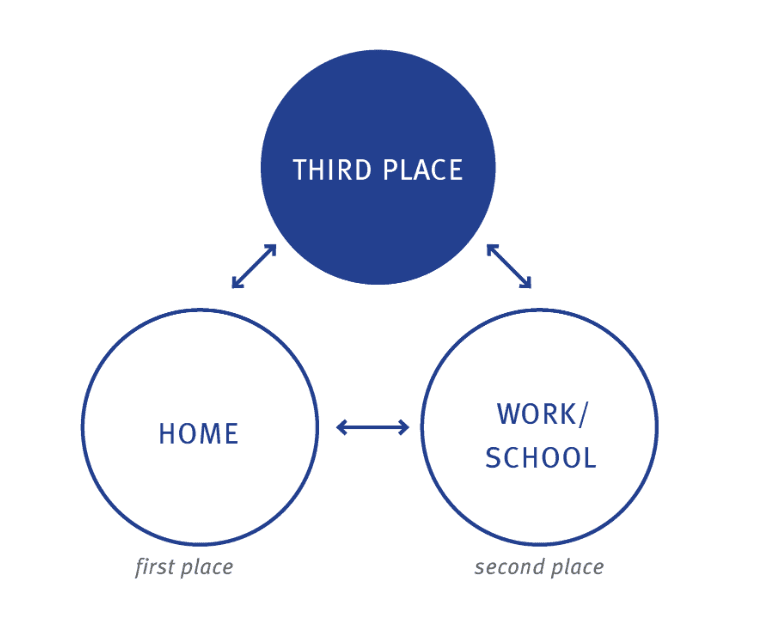
I initially interviewed young adults (18-25) about their exeriences and desires in public and community spaces, like a movie theater. The biggest takeaway was that people want more third spaces, something other than home and work/school.
A key point of discussion in these interviews was college memories and the common theme was community. College is such a unique space as the campus lifestyle is engrained with structures and systems that foster community.
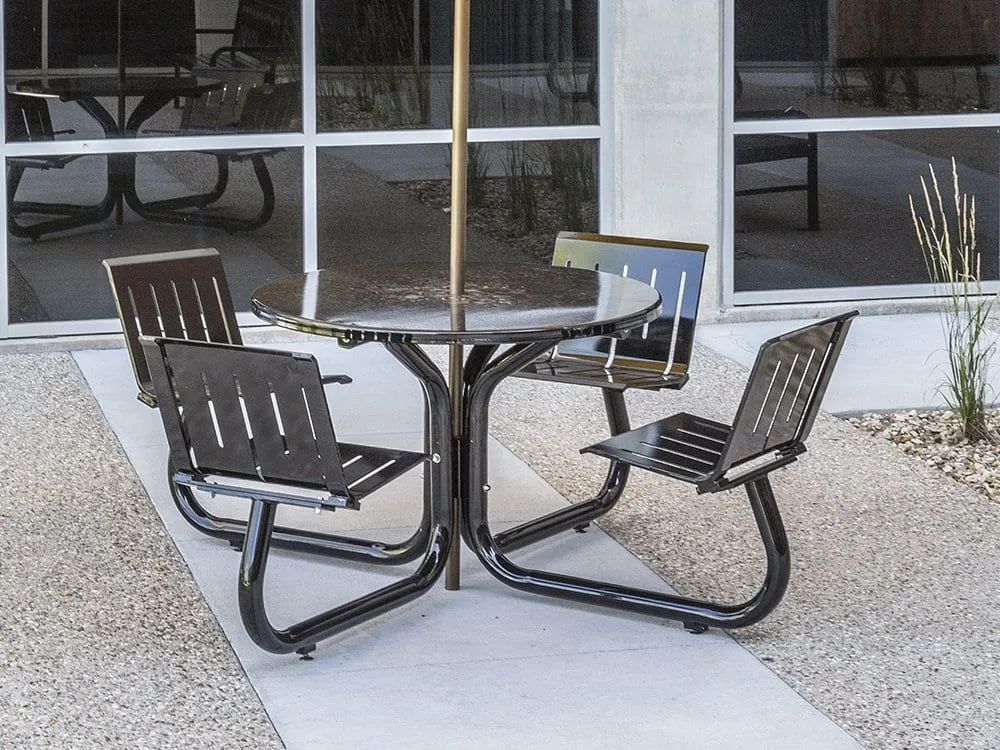
For me, a personal favorite in undergrad was simply sitting outside with friends on a sunny day and how quickly the number of people would grow— we never really did the work we set out to, but it never felt like a waste of time. As I walked around Penn, I realized there were limited outdoor spaces that fostered community. And these spaces, similar to Stanford, often consisted of 4 chairs attached to a table.
I sought out to transform pockets of land, on and off campus, into dedicated community spaces. I went through a cycle of prototyping where I found that people were excited by the concept of a hanging maze in which the seats could be moved around. From there, I spent time refining the form factor and having continued interviews to find what made the space feel welcoming and playful, circles!
RESULTS
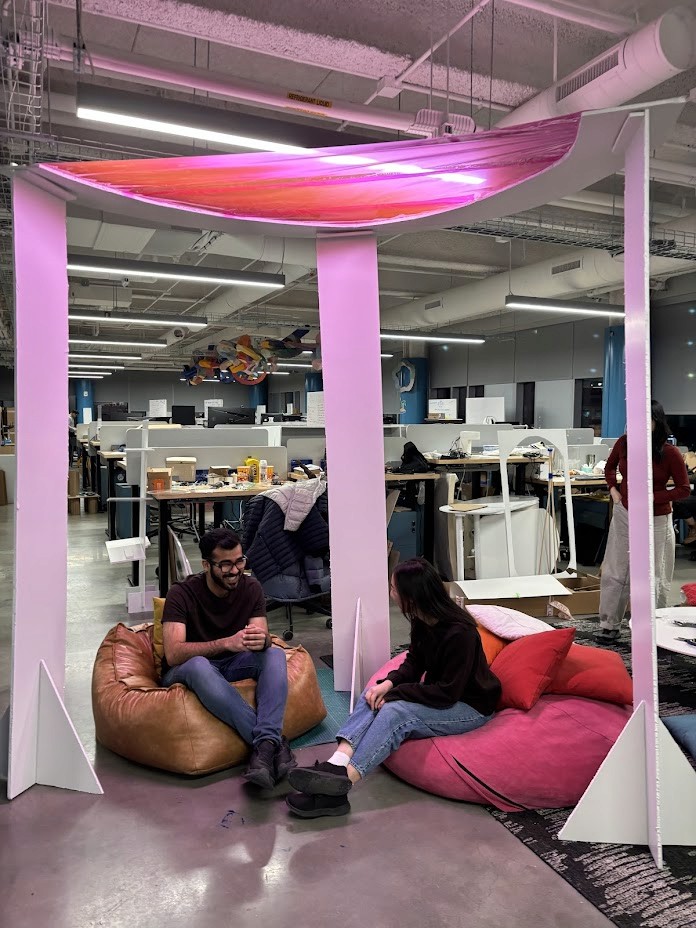
The final design ended up being a series of 3 circles at staggered heights with tracks that allowed reorganization of chairs. The design was informed by physical space constraints, feedback through large scale prototypes, and the emphasis of play.
I was extremely satisfied with both the model, as well as the experiential prototype and have truly found the importance of incorporating play into adult spaces.

LEARNINGS
Give adequate time for design research and problem-solving so you can find the call to action
Full scale prototypes, regardless of fidelity, allow for good feedback and greater understanding
Community and public spaces are an area I find interesting